The Hunter Elf: Graphics and Crafts for Editorial
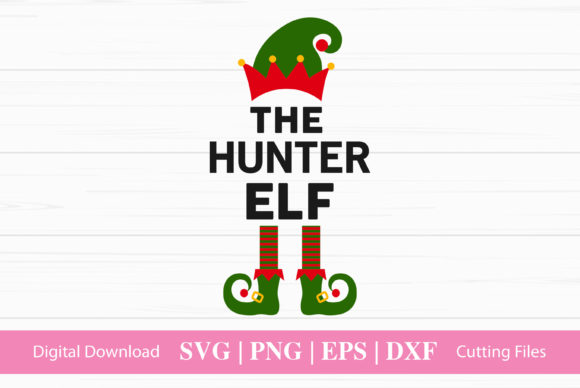
As a digital publisher and blog designer, my first interaction with any new asset is a critical stress test. I am not looking at The Hunter Elf merely as a cute holiday illustration; I am evaluating it as a functional component of a larger content strategy. When this graphic design asset landed in my workflow, my immediate assessment focused on its editorial mood and versatility across digital platforms. The design strikes a deliberate balance between whimsical nostalgia and clean vector precision. It does not feel cluttered or overly juvenile, which is a common pitfall in seasonal crafts graphics. Instead, it possesses a refined line quality that suggests professionalism, making it suitable for lifestyle blogs, parenting niches, DIY tutorial sites, and affiliate marketing platforms that need to maintain reader trust while embracing festive cheer.
The visual weight of The Hunter Elf is surprisingly well-distributed. In editorial design, we often struggle with holiday assets that are too dense for web headers or too sparse for social media cards. This asset avoids those extremes. It carries a modern design aesthetic that feels intentional rather than accidental. For a content creator, this means the graphic can anchor a featured image without competing with headline typography. It supports a warm, inviting narrative tone, perfect for articles discussing family traditions, gift guides, or seasonal crafting projects. The initial impression is one of curated quality, signaling to the reader that the content within has been thoughtfully prepared.
Deploying the Asset Across Content Touchpoints
In a real publishing workflow, versatility is the metric that determines ROI. I tested The Hunter Elf svg png dxf eps – digital file for cutting machines across multiple deliverables to see where it performs best. As a website header, the PNG version integrates seamlessly into hero sections. Because the lines are crisp, it scales beautifully on high-resolution displays without pixelation, maintaining brand identity even when stretched across wide containers. For Pinterest pin creation, the vertical composition potential is excellent. The character’s pose allows for natural negative space above and below, which is essential for overlaying bold, clickable text that drives traffic back to your blog.
Beyond standard blog graphics, this asset shines in productized content. I utilized it as a cover element for a digital guide on holiday preparation and as a decorative accent in a newsletter header. In both instances, it acted as a visual cue that unified disparate pieces of content under a cohesive seasonal theme. For those running an Etsy shop or selling printables, the inclusion of DXF and EPS formats means this isn't just a web graphic; it is a foundational element for physical products. However, from a purely digital publishing perspective, the ability to use the same visual motif in a lead magnet PDF and then repurpose it for Instagram stories creates a consistent visual hierarchy that strengthens audience recognition.
Enhancing Click-Through Rates and Reader Trust
We cannot ignore the performance metrics. Visuals are the primary driver of click-through potential in crowded feeds. The Hunter Elf succeeds here because it acts as a pattern interrupt. Amidst generic stock photography, a custom-feeling illustration signals unique value. When used in affiliate marketing content, such as a "Best Gifts for Crafters" roundup, this graphic softens the commercial intent. It builds an emotional bridge before the user encounters a buy button. This is crucial for conversion; readers are more likely to engage with recommendations presented within a trusted, aesthetically pleasing environment.
Furthermore, consistent use of high-quality creative design assets improves perceived authority. A blog that uses polished, relevant graphics like The Hunter Elf communicates attention to detail. This transfers to the written content. If the visuals look professional, the reader assumes the advice is professional. In content marketing, this subtle psychological cue reduces bounce rates and increases time-on-page. The asset serves as a visual anchor, breaking up long-form text and making comprehensive guides feel more digestible and less intimidating to mobile users scrolling through dense information.
Strategic Placement and Contextual Awareness
While versatile, no asset is universal. Through testing, I identified specific environments where The Hunter Elf excels and others where caution is required. It works exceptionally well in:
- Hero Images: Paired with solid or subtle texture backgrounds for maximum impact.
- Category Thumbnails: Helping users visually navigate to "Holiday," "Crafts," or "Family" sections.
- Social Media Previews: Creating instant recognition in Facebook link previews and Twitter cards.
- Content Upgrades: Decorating checklist PDFs or worksheet borders to increase perceived value.
- Email Signatures: Adding a seasonal touch to outreach without appearing unprofessional.
Conversely, publishers should be mindful when deploying this asset in highly corporate B2B contexts or minimalist tech blogs where the stylistic clash could undermine credibility. It also requires careful handling on small mobile thumbnails; intricate details may get lost at 50px width, so always preview at actual display size. Additionally, avoid placing it against busy photographic backgrounds unless you apply a mask or drop shadow. Low-contrast combinations will destroy readability and accessibility. The goal is clarity, not decoration for decoration's sake.
Publisher Notes: Technical and Licensing Due Diligence
Before integrating The Hunter Elf into any monetized project, conduct a thorough technical review. I always recommend testing the asset in black and white first. If the design relies solely on color to convey meaning, it may fail in grayscale printing or low-data mobile modes. Strong line art should hold up independently of color. Next, pair the graphic with your site’s typography. Test it beside serif fonts for a traditional editorial look, sans-serif for modern clarity, and script fonts for a personal touch. Ensure the visual weight of the elf matches the weight of your typeface; mismatched weights create subconscious friction.
Web performance is non-negotiable. Even though this is a vector-based origin, exported PNGs can become heavy. Always compress images using tools like TinyPNG or ShortPixel before uploading to your CMS. A 2MB banner will tank your Core Web Vitals and hurt SEO rankings. Finally, and most importantly, verify the commercial license. The product description indicates it is a digital download for cutting machines, but digital publishers must confirm if the license extends to web use, digital products, and affiliate content. Never assume usage rights. Confirming commercial design permissions protects your business from legal risk and ensures ethical support for the original artist. When vetted correctly, The Hunter Elf transforms from a simple craft file into a powerful engine for seasonal content engagement and brand consistency.