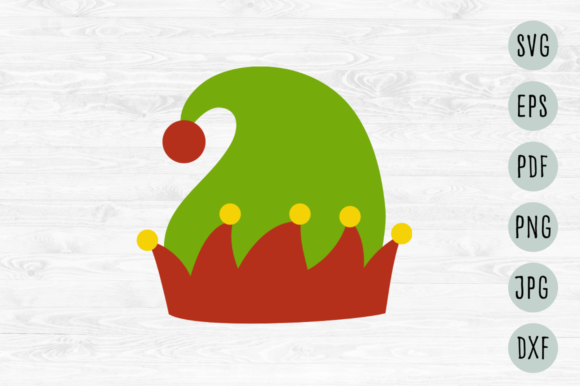
Elf Hat Svg 2: A Designer’s Embroidery Review
First Impressions: Whimsy Meets Structural Integrity
When evaluating Elf Hat Svg 2 for professional use, my first assessment goes beyond the festive aesthetic to examine the underlying architecture of the design. As a graphics asset intended for both digital cutting and embroidery digitizing, this file presents a cheerful, classic silhouette that immediately suggests holiday cheer. However, for those of us in the Crafts industry who translate vector art into thread, the true test lies in how those clean lines convert to stitches. The design possesses a playful personality without being overly intricate, which is a significant advantage for production efficiency. It strikes a balance between detail and simplicity, making it a strong candidate for a machine embroidery design that needs to be recognizable at various scales.
The mood created by Elf Hat Svg 2 is undeniably nostalgic yet crisp. Unlike some vintage-style elf graphics that suffer from undefined edges, this version offers clear boundaries. This clarity is vital when converting an SVG file or DXF into an embroidery file. Ambiguous lines often lead to poor auto-digitizing results, but here, the distinct shapes suggest that whether you are using it as an applique design or a full stitch-out, the registration should remain stable. For a designer planning a holiday collection, this graphic feels like a reliable workhorse rather than a delicate novelty item that might fail during high-speed production.
Real-World Application: Stitching the Elf Squad Sweatshirt
To truly judge the viability of Elf Hat Svg 2, I mentally placed it into a current client project: a set of matching "Elf Squad" sweatshirts for a family holiday photo session. In this scenario, the design serves as the primary focal point on the left chest of a cotton-polyester blend fleece. This is a common sweatshirt embroidery application where fabric texture and stability are paramount. Fleece can be unforgiving; if a design is too dense, it creates a bulletproof patch effect, but if it is too sparse, the stitches sink into the pile and disappear.
For this specific custom apparel project, Elf Hat Svg 2 performs exceptionally well because its geometry allows for strategic stitch placement. I envision utilizing a combination of satin stitch for the hat’s brim and trim to create definition against the fuzzy fabric, while employing lighter fill stitch patterns for the main body of the hat to reduce bulk. This approach maintains the garment's drape and comfort, which is critical for children’s wear. Furthermore, because this is marketed as an elf shirt or Children s Christmas Design, the visual weight must be appropriate for smaller torsos. The proportions of this SVG allow for scaling down to a 3-inch width for toddler sizes without losing the essential character of the elf hat, ensuring the finished product looks intentional rather than shrunken.
Navigating Fabric Challenges and Hoop Limitations
While Elf Hat Svg 2 is versatile, experienced makers know that not all substrates treat embroidery equally. When applying this design to textured fabrics like terry cloth towels or minky blankets for baby embroidery, caution is required. The smooth vectors of the SVG do not automatically account for fabric push-and-pull distortion. If you are creating a tote bag design on canvas, the stability is excellent. However, on stretchy knits or dark fabrics, you must verify your stabilizer choice. A cutaway stabilizer is non-negotiable for apparel to prevent the elf hat from warping after washing.
I also advise careful consideration regarding hoop size and detailed corners. While the SVG format is infinitely scalable, thread has physical limitations. If you attempt to shrink Elf Hat Svg 2 below 2 inches for a tiny tag or sleeve cuff, the internal details may become muddy. Always check the minimum recommended size in your digitizing software. Conversely, when enlarging the design for a pillow cover or wall hanging, ensure the stitch density is adjusted upward to prevent gaps. For commercial embroidery businesses running multiple units, testing on scrap fabric identical to your production material is the only way to guarantee consistency. Do not assume the digital preview matches the physical output on challenging textiles.
Commercial Viability and Brand Presentation
For Etsy seller accounts and small shop owners, Elf Hat Svg 2 represents more than just a pretty picture; it is a revenue-generating asset. The inclusion of EPS and DXF formats alongside the standard SVG files indicates a readiness for professional workflows. This versatility allows you to offer cohesive branding across different mediums. You could use the same graphic for vinyl decals on tumblers and embroidered patches on denim jackets, creating a unified holiday embroidery collection. This consistency builds customer trust and elevates the perceived value of your handmade product.
However, professionalism extends to licensing and presentation. Before listing any personalized gift or small shop product featuring this design, strictly verify the commercial use terms associated with the digital embroidery file. As Commercial use Cut files for electronic cutti are mentioned in the product metadata, there is likely permission for physical sales, but digital redistribution rules vary. Additionally, when creating printable mockups or digital product previews for your store, ensure the rendering accurately reflects what an embroidered version will look like. Misleading customers with flat vector images when selling stitched goods leads to returns. Use realistic textures in your mockups to manage expectations regarding the tactile nature of the embroidered patch or appliqué.
Designer Notes for Optimal Results
Based on my evaluation of Elf Hat Svg 2 as a functional design element, I recommend the following practical steps before launching your next craft business project:
- Test Stitch on Target Fabric: Never skip this step. Run a sample of the machine embroidery design on the exact material you intend to sell. Check for puckering, thread breaks, and coverage issues.
- Evaluate Thread Color Contrast: Traditional red and green can sometimes vibrate visually or blend together on certain backgrounds. Test thread colors in natural and artificial light to ensure the elf hat pops. Consider using metallic threads for the trim to add premium value to your design assets.
- Verify Licensing for Digital Sales: If you plan to sell the embroidery file itself or modified versions, confirm the original license permits this. Most Graphics in this category allow for finished physical products but restrict reselling the digital source file.
- Check Small Detail Clarity: Inspect the tips of the elf hat and any facial features (if present). If the satin columns are narrower than 1mm, they may break needles or fray. Adjust column width in your digitizing software if necessary for durable custom apparel.
- Mockup Realistically: When marketing your Etsy seller listings, show the design on both light and dark backgrounds. This demonstrates versatility and helps buyers visualize the final embroidery project on their preferred garment color.
- Stabilizer Selection: Match your backing to the fabric weight. Use tear-away for stable woven tote bags and cut-away for stretchy sweatshirts to maintain the integrity of the elf Winter svg shape over time.
Ultimately, Elf Hat Svg 2 is a robust foundation for holiday merchandise. Its clean lines and adaptable structure make it suitable for everything from quick-turnaround craft fair items to bespoke boutique pieces. By treating this SVG not just as a digital download but as a blueprint for textile art, you ensure that every stitch contributes to a high-quality, sellable result. Whether you are producing a single personalized gift or a full line of seasonal wear, this design offers the reliability that professional makers require.