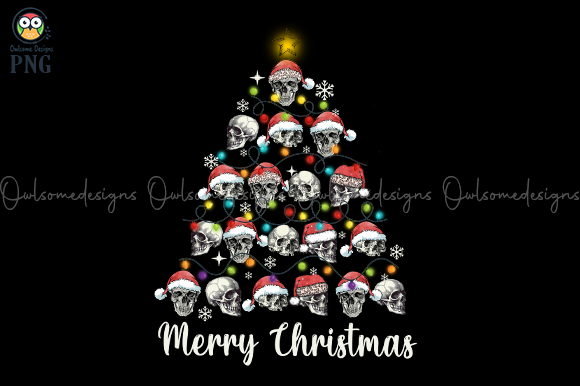
Skeleton Christmas Tree Sublimation: A Designer's Review
First Impressions: Balancing Spooky and Festive
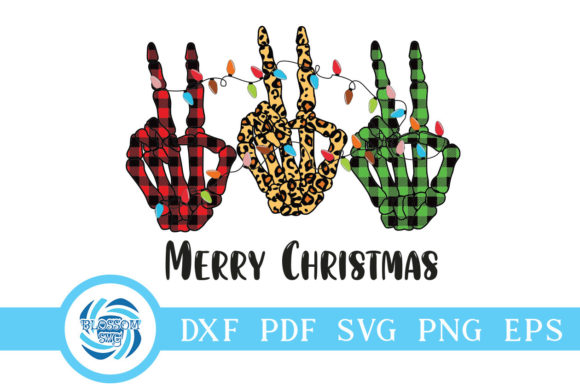
When I first opened the Skeleton Christmas Tree Sublimation file, my immediate thought was about the delicate balance required for alternative holiday merchandise. As a designer who frequently creates custom apparel and seasonal goods for small businesses, I look for graphics that translate well across mediums. This specific PNG offers a distinct mood that sits comfortably between gothic aesthetic and traditional holiday cheer. The transparent background at 300 dpi is crisp, which is the absolute minimum standard I accept for any professional embroidery project or sublimation transfer.
The visual personality of this skeleton tree is playful rather than morbid. For an Etsy seller or boutique owner, this distinction matters immensely. It suggests a product that appeals to fans of "creepy cute" aesthetics without alienating customers looking for unique holiday embroidery. However, because this is marketed primarily as a sublimation asset with a note that SVG files cannot be parsed, my review focuses heavily on how to adapt this raster graphic for needle and thread. You cannot simply load a PNG into embroidery software and expect perfect results; it requires digitizing interpretation or use as an applique guide.
Real-World Application: The Sweatshirt Test
To truly evaluate this design, I mentally placed it in a real-life production scenario: creating a batch of unisex crewneck sweatshirts for a local craft fair. Sweatshirt fleece is textured and thick, presenting specific challenges for detailed graphics. When adapting the Skeleton Christmas Tree Sublimation for this sweatshirt embroidery application, I had to consider how the intricate bone structure would render against the fabric nap.
In this case study, I determined that a direct stitch-out of the high-resolution PNG might result in excessive perforation on the fleece. Instead, I viewed this graphic as a perfect candidate for an applique design. By using the skeleton shape as a cutting guide for white felt or cotton, and securing it with a satin stitch border, the design maintains its integrity without sinking into the fabric texture. This approach preserves the whimsical details of the ribs and branches while ensuring the finished product remains soft and wearable. For a craft business, this method also reduces stitch count significantly compared to a full fill stitch conversion, saving both time and thread costs.
Translating Raster Graphics to Stitch Logic
Since the product description explicitly states that vector files are unavailable, users must understand the implications for machine embroidery design. A 300 dpi PNG is excellent for printing, but embroidery machines do not read pixels; they read coordinates. If you intend to use this for commercial embroidery, you have two viable paths:
- Manual Digitizing: Import the PNG as a backdrop template and manually trace the skeleton shapes using running stitch outlines and satin columns. This ensures optimal stitch density and pull compensation.
- Sublimation-Embroidery Hybrid: Print the Skeleton Christmas Tree Sublimation onto fabric first, then embroider over it. This is ideal for complex shading that thread cannot replicate. Use light thread colors to outline the printed bones, adding tactile dimension to the flat image.
I strongly advise against using auto-digitizing features on this specific graphic. The organic curves of skeletal structures often confuse algorithms, resulting in jagged edges and unnecessary jumps. For a professional handmade product, manual cleanup or hybrid techniques are non-negotiable to maintain buyer trust and product value.
Fabric Considerations and Hoop Limitations
While this design has strong potential for personalized gifts and boutique merchandise, placement requires strategic thinking. I would exercise extreme caution when applying this to stretchy fabrics like ribbed knits or thin jersey. The vertical orientation of a tree combined with the horizontal lines of ribs creates a grid-like structure that can distort easily if stabilizer choices are inadequate. For items like baby onesies or lightweight tees, a tear-away stabilizer alone is insufficient; a cut-away mesh is necessary to prevent the design from warping after washing.
Regarding hoop size, this design naturally favors larger formats. Attempting to shrink a detailed skeleton tree down to a 4x4 hoop for a pocket logo or cap will likely result in lost definition. The spaces between the ribs may become too dense, causing needle breaks or fabric puckering. If you need a smaller version for an embroidered patch or hat, simplify the design by removing internal detailing and relying solely on the outer silhouette. Always test on scrap fabric that matches your final substrate before committing to a full production run.
Commercial Viability and Product Value
For digital product sellers and makers, the versatility of this graphic extends beyond apparel. I can envision this working beautifully on woven pillow covers or kitchen tea towels where the fabric is stable enough to support finer detail. In these home decor applications, the Skeleton Christmas Tree Sublimation serves as a focal point that elevates the perceived value of the item. Customers recognize the difference between a generic clip-art stitch-out and a thoughtfully adapted design.
However, transparency regarding licensing is vital. Before listing any small shop product derived from this file, verify the commercial terms. Does the license cover physical finished goods only, or does it extend to digital modifications? As a reviewer, I always recommend keeping documentation of your rights handy. Professionalism in the Crafts industry isn't just about stitch quality; it’s about respecting intellectual property and clearly communicating what you offer to your clients.
Essential Pre-Stitch Checklist for Makers
Before you hoop up your fabric, run through this practical checklist to ensure your Skeleton Christmas Tree Sublimation adaptation succeeds:
- Contrast Check: View the PNG in black and white. If the skeleton blends into the background in grayscale, it will lack definition in thread. Ensure sufficient contrast between your fabric and chosen thread palette.
- Density Audit: If digitizing manually, keep fill areas under 0.4mm density for medium-weight fabrics to avoid bulletproof stiffness.
- Mockup Validation: Create a printable mockup at actual size. Tape it to the garment to visualize scale. A tree that looks good on screen may overwhelm a petite tote bag or look lost on an XL hoodie.
- Wash Test: If using the hybrid sublimation-embroidery method, wash a test swatch. Some sublimation inks fade or bleed when subjected to the friction of embroidery needles or harsh detergents.
- Detail Simplification: Identify the three most important visual elements of the skeleton. Eliminate anything smaller than 1mm wide to ensure clean stitching.
Final Thoughts on Design Adaptation
The Skeleton Christmas Tree Sublimation is a charming asset for the alternative holiday market, but it demands respect for technical limitations. It is not a plug-and-play embroidery file in its native state, but rather a high-quality foundation for creative adaptation. Whether you are crafting a spooky nursery blanket, a festive apron for a holiday party, or a signature sweatshirt for your Etsy shop, success lies in treating the PNG as a blueprint rather than a final instruction. By prioritizing proper digitizing techniques, appropriate stabilizer selection, and realistic expectations regarding fabric texture, you can transform this digital graphic into a tangible, sellable masterpiece that stands out in a crowded marketplace.