Christmas Candy Pattern 1: Graphics for Editorial Use
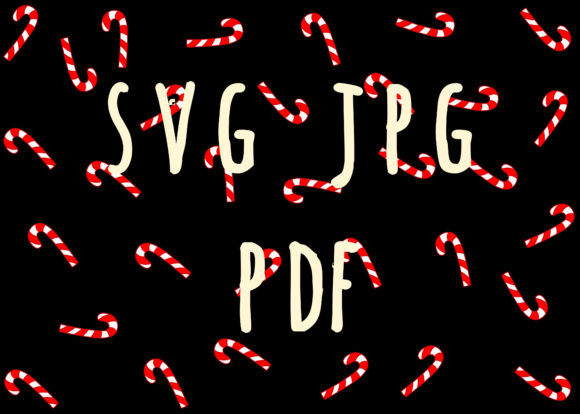
As a digital publisher and blog designer, I am constantly evaluating visual assets not just for their aesthetic appeal, but for their functional utility in a real content workflow. When I first opened the files for Christmas Candy Pattern 1, my immediate assessment focused on its editorial mood and versatility. This graphic design asset immediately strikes a balance between festive nostalgia and modern sophistication. The choice of a deep black background rather than a traditional white or red base shifts the entire tone of the piece. It feels premium, intentional, and distinctly lifestyle-focused without veering into childish territory. For content creators and website owners, this specific colorway suggests a mature, high-end holiday narrative that supports serious content marketing efforts while retaining seasonal warmth.
In my experience managing editorial calendars, finding seasonal graphics that do not compromise brand identity is a challenge. This pattern solves that friction point. It creates an atmosphere of luxury and warmth that naturally supports niches like gourmet food blogging, high-end gift guides, fashion editorials, and sophisticated home decor content. The visual weight of the dark background provides excellent negative space for typography, which is critical when designing clickable featured images or Pinterest pins where text readability determines click-through rates. It does not feel like a generic clip-art overlay; it feels like a deliberate design choice that signals quality to the reader before they even consume a single word of your article.
Deploying High-Resolution Assets Across Content Formats
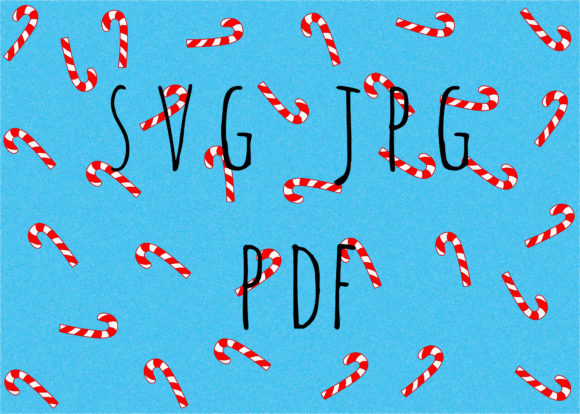
The technical specifications of this asset dictate its best use cases in a publishing environment. Hi, in this pack, you will find a Christmas candy pattern on a black background available in SVG, PDF, and JPG formats at 200 DPI with dimensions of 5000 x 700 pixels. As a designer, these specs tell me exactly how to leverage this file across different platforms. The 5000-pixel width is exceptional for web design, allowing you to create ultra-wide website headers or hero sections without pixelation on retina displays. However, the 700-pixel height requires strategic cropping or tiling depending on the application.
For blog graphics and article headers, the SVG format is the gold standard. Because it is vector-based, I can scale the candy elements infinitely for a massive site banner or shrink them down for subtle category thumbnails without losing crispness. In my own workflow, I would import the SVG directly into Canva templates or Adobe Illustrator to create cohesive social media graphics. The ability to manipulate individual vector elements means I can adjust the spacing of the candies to accommodate headline text, ensuring the visual hierarchy remains intact. For printable design projects, such as holiday planners, worksheets, or eBook covers included in a lead magnet, the PDF and high-DPI JPG options ensure that the final digital download looks professional when printed by the end user.
Strategic Applications for Affiliate and Editorial Content
Visual consistency builds reader trust, especially in affiliate marketing where credibility drives conversions. Christmas Candy Pattern 1 serves as an excellent unifying element for seasonal campaigns. I envision using this pattern as a recurring motif across a "Holiday Gift Guide" series. By applying this specific texture to every featured image, Pinterest pin, and newsletter header within the series, you create instant category recognition. Readers scrolling through social media feeds or email inboxes will associate this distinct black-and-candy aesthetic with your specific brand recommendations.
- Newsletter Headers: The wide aspect ratio is perfectly suited for email marketing banners, providing a festive frame for subject lines without overwhelming the preview text.
- Digital Product Packaging: Use the pattern as a background for mockups of your own digital guides or courses to increase perceived value.
- Social Media Stories: Crop specific candy clusters to create engaging backgrounds for Instagram or TikTok stories that maintain brand colors.
- Content Upgrades: Design visually appealing checklist covers or worksheet borders that make freebies feel like premium commercial design products.
This level of visual cohesion transforms scattered blog posts into a branded campaign. It elevates the user experience from reading a simple article to engaging with a curated editorial publication. For small business branding, this asset offers a cost-effective way to achieve a custom-designed look during the busiest season of the year.
Navigating Contrast and Visual Hierarchy Challenges
While Christmas Candy Pattern 1 is a powerful tool, it demands careful handling to avoid common design pitfalls. The black background is bold, but it introduces contrast challenges that must be tested rigorously. In my review process, I always test dark-background assets against various font styles. This pattern pairs beautifully with white serif fonts for a classic editorial look or metallic gold sans-serif typefaces for a modern luxury feel. However, placing dark text directly over this pattern without a solid overlay or text box will result in poor readability and accessibility failures.
Publishers should also be cautious when using this asset for mobile thumbnails. At small sizes, intricate patterns can sometimes appear muddy or cause visual vibration on screens. I recommend testing the pattern at 15% opacity or using a Gaussian blur if you intend to place body text over it. Furthermore, while this asset is perfect for lifestyle and consumer content, it may clash with highly corporate, B2B, or somber professional niches. Always evaluate whether the playful yet dark aesthetic aligns with your specific audience's expectations. If your site relies on a strictly minimal visual system, introduce this pattern gradually as an accent rather than a dominant background to avoid disrupting your established user interface.
Essential Publisher Checklist for Web Performance and Licensing
Before integrating any creative design asset into a monetized website, practical due diligence is required. Web performance is paramount; a 5000px wide JPG can easily exceed 2MB, which will destroy your page load speed and SEO rankings. You must compress these images using tools like TinyPNG or ShortPixel before uploading them to your CMS. Aim for a file size under 150KB for standard blog graphics and under 300KB for hero images. Additionally, verify the commercial license terms included with your purchase. If you are using this pattern on affiliate pages, selling digital products featuring the design, or creating client work, you must confirm that your license covers commercial distribution and modification.
- Contrast Test: Overlay your primary headline font on the pattern and check readability scores using WCAG guidelines.
- Mobile Preview: View the designed graphic on a physical phone screen to ensure details aren't lost.
- File Optimization: Export web-ready versions separate from your master source files to preserve original quality.
- Brand Alignment: Place the pattern next to your existing logo and color palette to ensure harmony.
- License Verification: Document the permitted uses specifically for affiliate links and paid digital downloads.
Ultimately, Christmas Candy Pattern 1 is more than just a decorative element; it is a strategic component of a broader content marketing ecosystem. When used with intention, respecting both its aesthetic strengths and technical limitations, it enhances the professional polish of your digital presence. Whether you are crafting a viral Pinterest pin, designing a high-converting lead magnet, or simply adding seasonal flair to your blog layout, this asset provides the visual foundation necessary to capture attention and communicate quality in a crowded digital marketplace.